
This post contains affiliate links. If you purchase through my links I may earn a small commission, at no extra cost to you.
If emotional shopping is your escape when you are feeling stressed or sad, you are not alone. And honestly, the fact that you are here reading this tells me you already know something is off. Not because buying things is inherently wrong, but because you have noticed that the relief is temporary and the clutter is permanent.
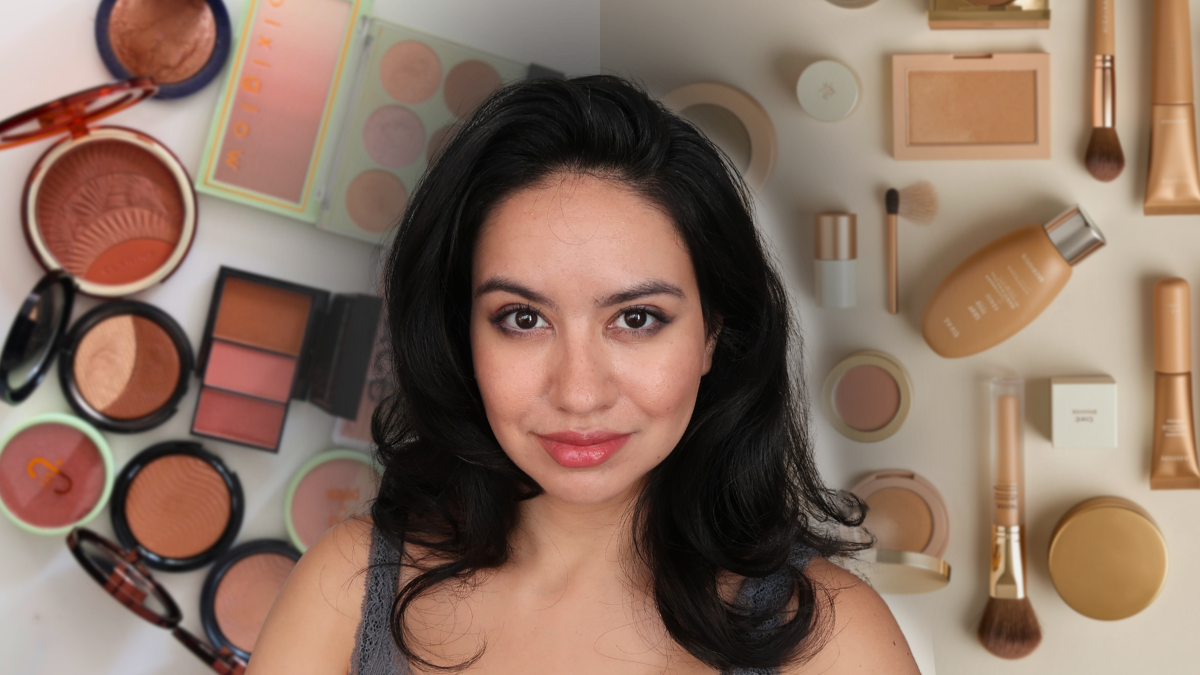
I spent fifteen years as a content creator receiving PR and buying makeup. A lot of makeup. It took losing my mom and inheriting her entire collection on top of my own to force me to get honest about what I did in the 2010s. The spending was never really about the products. It was about something else entirely.
Your spending is trying to tell you something
The purchase is just a signal. What is the actual feeling underneath it? Are you bored? Stressed? Lonely? Do you feel inadequate? Most of us are chasing a temporary dopamine fix that is soothing some other underlying emotional issue, and we have given that fix a very convincing disguise. It looks like self-care. It looks like treating yourself. It looks like you deserve this.
But do you deserve the debt that comes with it? Does that candle or that lipstick or that body wash actually serve your long-term happiness, or does it serve the version of you that needed relief for about forty-five minutes?
Modern triggers are not subtle
It has never been harder to resist this. TikTok is showing you endless dupes. Instagram is full of perfectly curated lives that make you feel like yours is missing something. There is this constant low-grade pressure to make everything aesthetic, and they know that clutter stresses us out, and yet the ads keep coming. They just want your money.
The self-care era has made it especially easy to justify everything. But self-care that creates debt is not care. That money could be going toward your retirement, a trip to see family you have not visited in too long, or just the quiet confidence of knowing you are not spending reactively.
Catch the pattern before it starts
The most important shift is noticing the habit before you act on it. Do you browse late at night when you should be winding down? Do you check your email for promotional codes right after a hard conversation? Those are not coincidences. Those are cues.
Once you know your triggers, you can make the environment work for you instead of against you. Move your shopping apps off the main screen of your phone. Delete saved credit cards and one-click checkout. Make yourself type in all your information every single time. These are digital speed bumps and they work because they force a pause between the impulse and the purchase. Willpower alone is not enough, especially at the beginning. You need to make overspending physically harder to do.
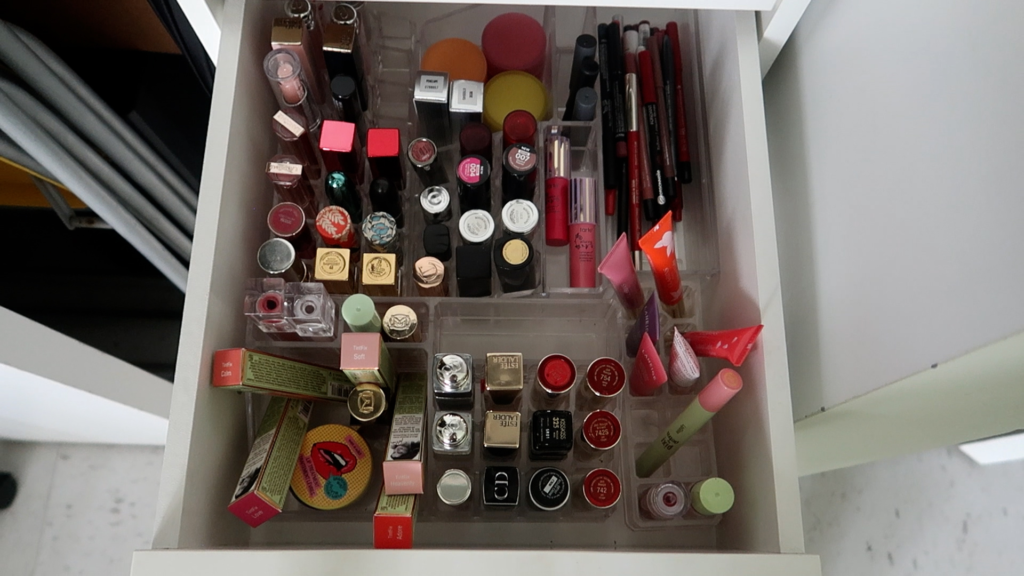
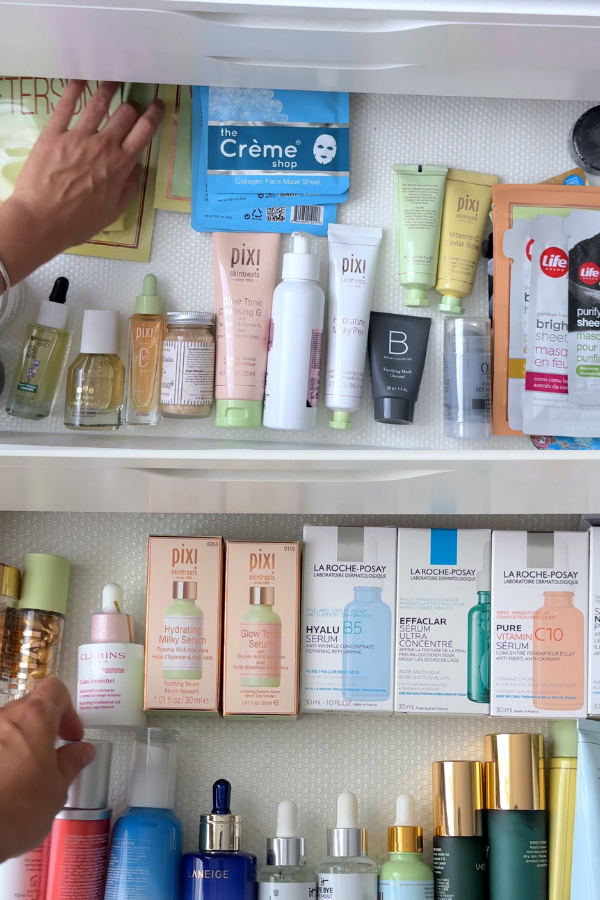
And before you buy something new, go look at what you already own. Open the coat closet. Open the makeup drawers. See the actual volume of what is already there. That alone stops a lot of purchases.
Reframe how you think about value
Forget the price tag and start thinking about cost per wear. That fifty dollar lipstick you never touch has an infinite cost per wear. An expensive item that you never use is a waste of money, regardless of how high-quality or trendy it is.
A hundred and fifty dollar (or more) coat you reach for every day in winter has earned its place. The question is not what something costs. The question is what it actually does for your life.
Before any purchase, ask yourself one thing: is this serving future me, or is it soothing something present me is feeling right now? The answer will tell you everything.
Replace the ritual, not just the product
The craving does not disappear when you stop buying. It needs somewhere to go. What worked for me was redirecting it toward what I already owned. When I felt the urge to buy clothes or makeup, I would organise my collection instead. Try things on. Create outfit formulas. Re-discover products I had forgotten about. You solve the same itch without creating a problem for later, and then you just kind of forget about the other thing completely and recentre yourself.
Shopping feels like you are solving a problem in the moment. But if you have already accumulated too much, you are just making two problems for later: a clutter problem and a money problem.
Project Pan for Beginners post here.
Project Pan Essentials list here.
Accountability is what actually makes it stick
Breaking deep-seated habits takes more than good intentions. It takes a plan. Find someone to be accountable to, whether that is a partner, a friend, or an online community.
The more you practice catching your triggers and redirecting the impulse, the more confidence you build. Not in some abstract self-help way, but in the very specific and satisfying way of knowing you are in control of your own habits.
It gets easier. Not immediately, but it does.
Why Your Makeup Decluttering Isn’t Working
I Used AI to Declutter My Makeup Collection
Watch the full video below for everything covered here and more.
If you need help getting started, download out my free Beauty Audit.